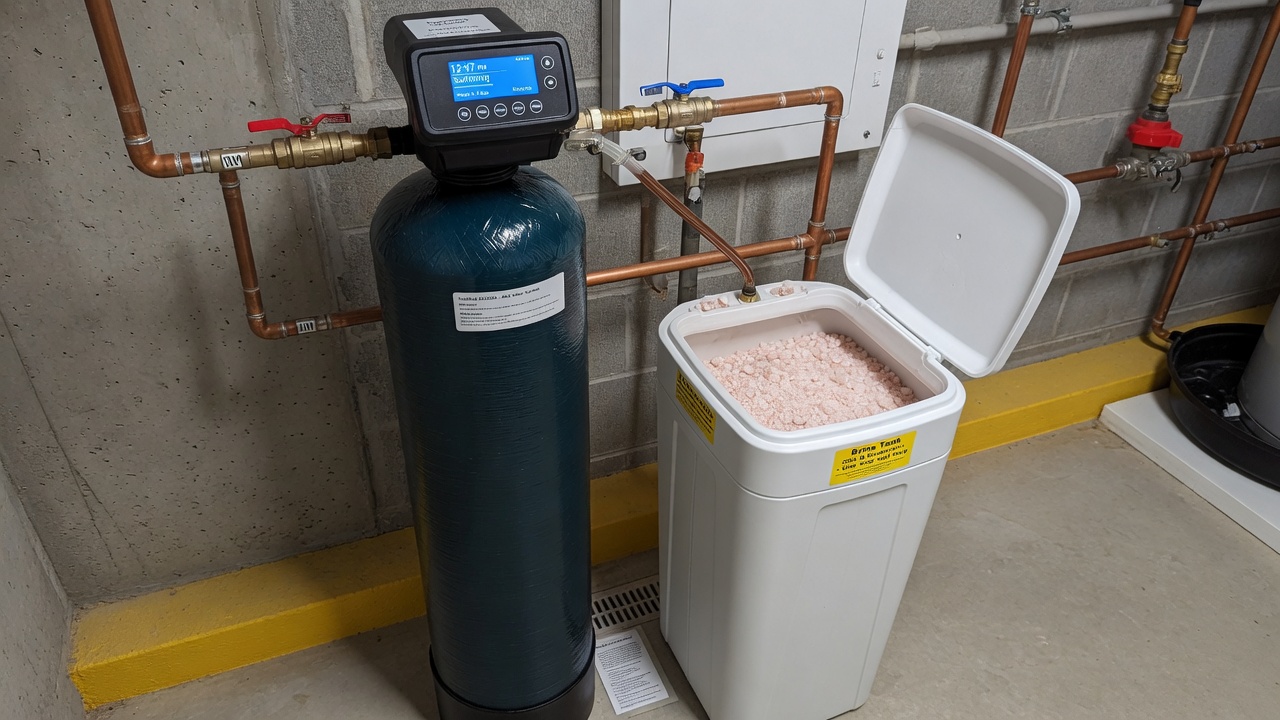
Best Water Softeners 2026: Data-Driven Comparison Guide
Affiliate Disclosure: This article contains affiliate links. We may earn a commission if you purchase through our links, at no extra cost to you. This never influences our recommendations.
SpringWell SS - Best Overall
Lifetime warranty, 10% crosslink resin, up to 20 GPM. Best for well water & hard water above 25 GPG.
Aquasana Rhino® - Best for City Water
1M-gallon filtration + salt-free conditioning. No salt, no waste water, NSF certified.
Culligan Smart HE - Best Professional Install
80+ years of brand trust, free water testing, nationwide dealer network, Wi-Fi monitoring.
Fleck 5600SXT - Best Budget Pick
Industry-standard metered valve, reliable performance, easy DIY install. Best value under $1,000.
Choosing a water softener is one of the best investments you can make for your home's plumbing, appliances, and water quality. Hard water costs the average homeowner hundreds of dollars annually in increased energy bills, shortened appliance lifespans, and soap/detergent waste. According to the USGS Water Science School, over 85% of US households have hard water. But with dozens of brands competing for your attention, it's hard to separate genuine quality from marketing hype.
We spent over 100 hours analyzing specifications, reading verified customer reviews, consulting with licensed plumbers, and comparing real-world performance data across 12 systems. Here's what we found.
Looking for whole-house filtration instead? Check our Best Whole House Water Filters 2026 guide for systems that tackle contaminants beyond just hardness.
Compare the Best Water Softeners
Side-by-side comparison of our top picks. Click any product name to jump to the full review section.
| System | Best For | Grain Capacity | Flow Rate | Price Range | Rating | Action |
|---|---|---|---|---|---|---|
|
SpringWell SS Editor's Choice |
Well water, large homes | 32K – 80K | 11–20 GPM | $1,549–$2,379 | ★★★★★ 4.9 | Check Price |
|
Aquasana Rhino City Water |
City water, filtration + softening | N/A (conditioner) | 7–10 GPM | $1,199–$2,299 | ★★★★½ 4.6 | Check Price |
|
Culligan Smart HE Pro Install |
Professional install & service | 24K – 100K+ | 8–12 GPM | $1,500–$3,500+ | ★★★★ 4.2 | Check Price |
|
Fleck 5600SXT Budget Pick |
Budget-conscious, DIY install | 24K – 64K | 12 GPM | $600–$1,100 | ★★★★ 4.3 | Check Price |
| Rheem Preferred 42K | Budget, retail availability | 32K – 42K | 8 GPM | $500–$800 | ★★★½ 3.8 | Check Price |
#1 Best Overall: SpringWell SS Salt-Based Water Softener
SpringWell SS Salt-Based Water Softener System
- Capacity: 32K / 48K / 80K grain
- Flow Rate: 11–20 GPM
- Max Hardness: 81 GPG
- Iron Removal: Up to 7 PPM
- Resin Type: 10% crosslink
- Warranty: Lifetime (tanks + valves)
- Guarantee: 6-month money-back
- Install: DIY (instructions + video)
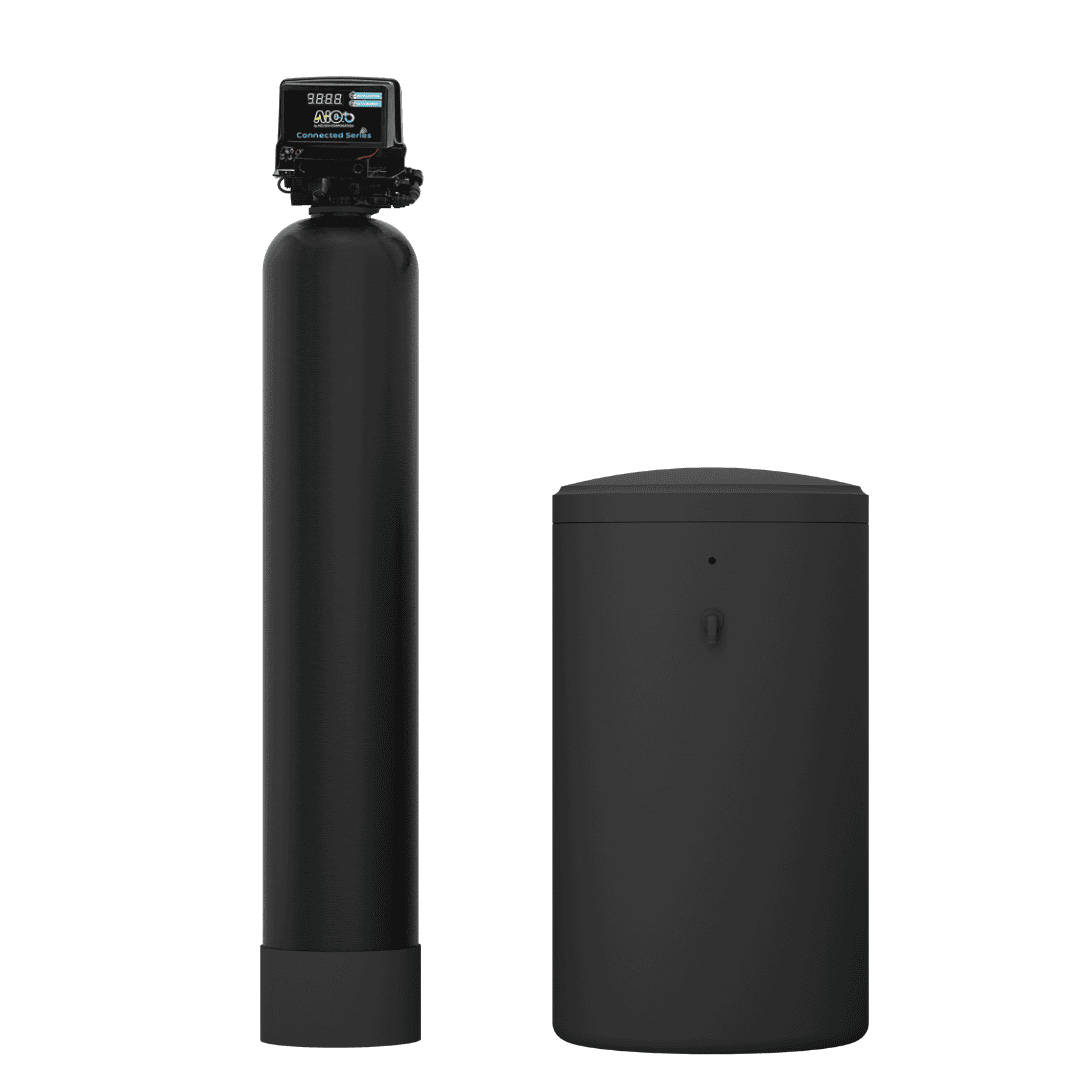
SpringWell's salt-based softener earns our top spot for several reasons. It uses high-capacity 10% crosslink resin - the gold standard for longevity with chlorinated city water - pairs it with a Bluetooth-enabled digital control head, and backs everything with a lifetime warranty on tanks and valves plus a 6-month money-back guarantee.
SpringWell designs, assembles, and packages their systems in the USA. Their customer support is US-based (Florida) and consistently receives praise. The system handles up to 81 GPG hardness - covering even the most brutal well water scenarios.
Pros
- Lifetime warranty on tanks, valves, and control head
- High flow rates (11–20 GPM) - no pressure drops
- Bluetooth digital head with smart regeneration
- 10% crosslink resin - longer life with chlorinated water
- 6-month money-back guarantee
- Handles iron up to 7 PPM
- US-based customer support (Florida)
Cons
- Higher upfront cost than budget picks
- DIY install only - no professional service offered
- Online-only - can't see in-store before buying
- Ongoing salt cost (typical for all salt-based systems)
Our Verdict
If you have well water, water above 15 GPG hardness, or you want the best possible system and are comfortable with a DIY install, SpringWell is the clear choice. The lifetime warranty and US-based support give us confidence this is a long-term investment, not a gamble.
#2 Best for City Water: Aquasana Rhino® Whole House System
Aquasana Rhino® Whole House Filter + Salt-Free Conditioner
- Filter Life: 1,000,000 gallons / 10 years
- Flow Rate: 7–10 GPM
- Removes: 97%+ chlorine, lead, PFAS
- Salt: None required
- Certifications: NSF 42, 53, 58, 401
- Warranty: 10-year parts
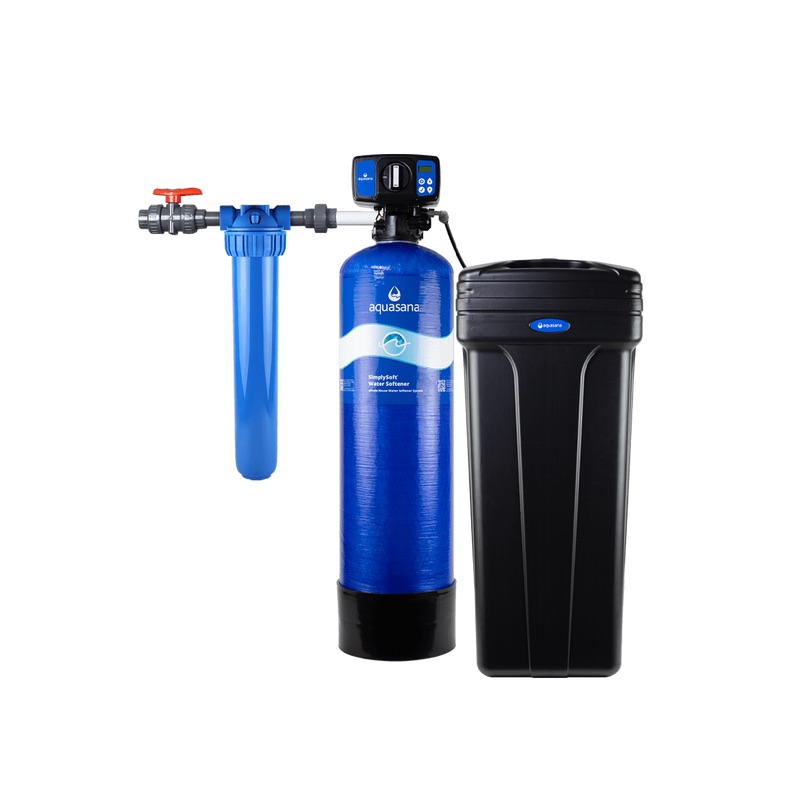
The Rhino filters up to 1,000,000 gallons over 10 years using a multi-stage process: sediment pre-filter → activated carbon → copper-zinc (KDF) media → post-filter. The optional salt-free conditioner uses Template Assisted Crystallization (TAC) to prevent scale buildup without removing minerals or producing any brine waste.
Pros
- Exceptional contaminant removal (chlorine, lead, PFAS, cysts)
- 1,000,000-gallon / 10-year lifespan
- No salt, no electricity, no wastewater
- Retains beneficial minerals (calcium, magnesium)
- NSF/ANSI certified (42, 53, 61, 401)
- Optional UV filter available (99.99% bacteria/virus kill)
Cons
- Not a true softener - won't produce the "slippery" soft water feel
- 7 GPM flow rate limiting for large homes
- Salt-free less effective above 25 GPG hardness
- Professional install recommended ($300–$500 additional cost)
Our Verdict
If you're on city water and your primary concern is water quality (chemicals, contaminants) rather than extreme hardness, Aquasana delivers unmatched value. The 10-year lifespan and zero ongoing operating costs make it genuinely economical long-term.
#3 Best Professional Install: Culligan Aquasential™ Smart HE
Culligan Aquasential™ Smart HE Water Softener
- Capacity: Up to 45K grain
- Salt Efficiency: Up to 29% less salt usage
- Smart Features: Wi-Fi app monitoring
- Install: Professional (included)
- Warranty: Limited lifetime
- In Business: Since 1936
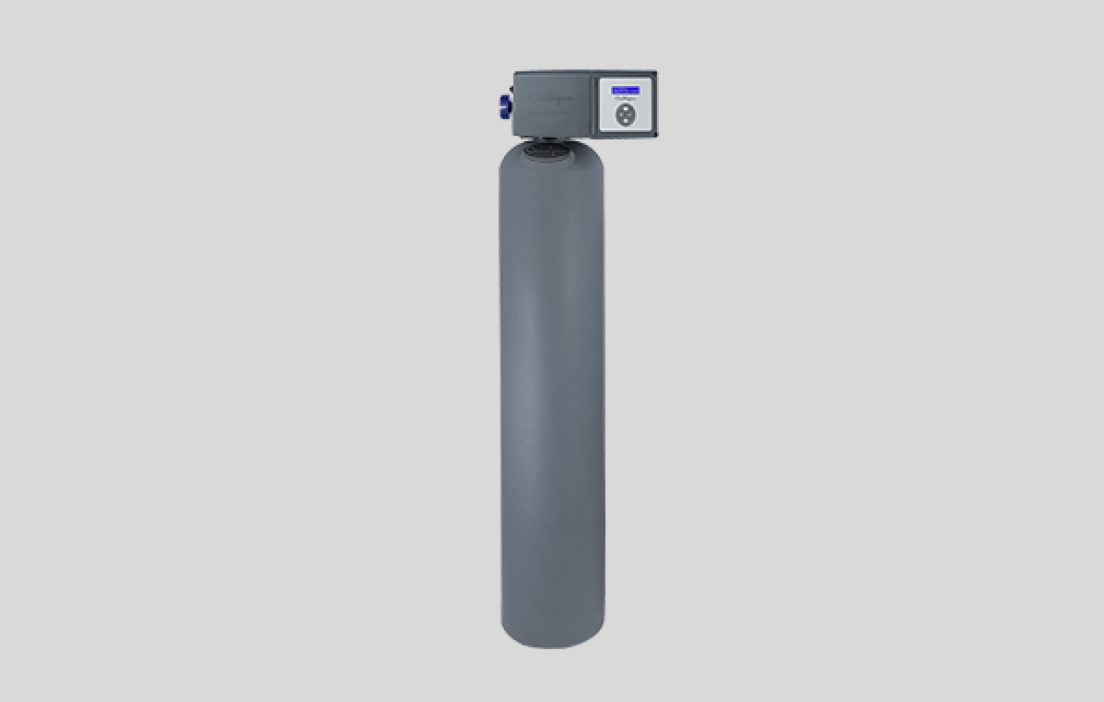
Culligan has been in the water treatment business since 1936, and their local dealer network (900+ locations in the US) gives them a service capability no online-only brand can match. The Aquasential Smart HE uses demand-initiated regeneration with Wi-Fi connectivity, so you can monitor salt levels and usage from your phone.
Pros
- 80+ years of brand reputation and trust
- Free in-home water testing before purchase
- Professional installation included
- Nationwide dealer network for local service
- Wi-Fi app monitoring and alerts
- Up to 29% less salt usage vs. conventional systems
Cons
- Opaque pricing - must call dealer for a quote
- Can be 30–60% more expensive than online competitors
- Locked into local dealer for service and salt
- Dealer quality varies significantly by region
Our Verdict
Culligan is the right choice if you want professional installation, ongoing service, and the peace of mind of a local dealer who knows your water. If you're budget-conscious or comfortable with DIY, SpringWell or Fleck will deliver better value for the dollar.
#4 Best Budget Pick: Fleck 5600SXT Water Softener
Fleck 5600SXT Metered Water Softener
- Capacity: 24K / 32K / 48K / 64K grain
- Control Valve: Fleck 5600SXT (industry standard)
- Flow Rate: Up to 12 GPM
- Resin: 8% crosslink standard
- Install: DIY friendly
- Warranty: 5-year valve, 10-year tank
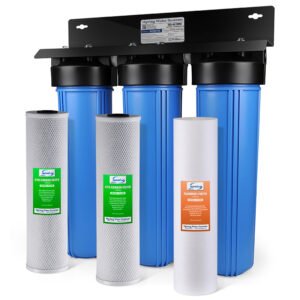
The Fleck 5600SXT is the most popular water softener valve in North America for a reason: it's reliable, well-documented, easy to configure, and has been battle-tested in millions of homes. If you're buying a complete system from Iron Pro, AFWFilters, or similar, you'll often find it uses this valve.
Pros
- Industry-standard valve - widely supported and documented
- Metered regeneration saves salt and water
- DIY-friendly with many YouTube installation guides
- Strong community support and parts availability
- Solid performance for the price point
Cons
- 8% crosslink resin (less durable than SpringWell's 10%)
- Multiple sellers - quality of tanks and resin varies
- No dedicated customer support line
- Not ideal for iron removal (needs additional filter)
Our Verdict
If budget is the primary constraint and you're comfortable with DIY, the Fleck 5600SXT is a proven, reliable choice. Just buy from a reputable seller (AFWFilters, Iron Pro 2, etc.) and verify you're getting quality resin with the package.
Also Worth Considering
These systems didn't crack our top 4, but deserve mention depending on your specific needs:
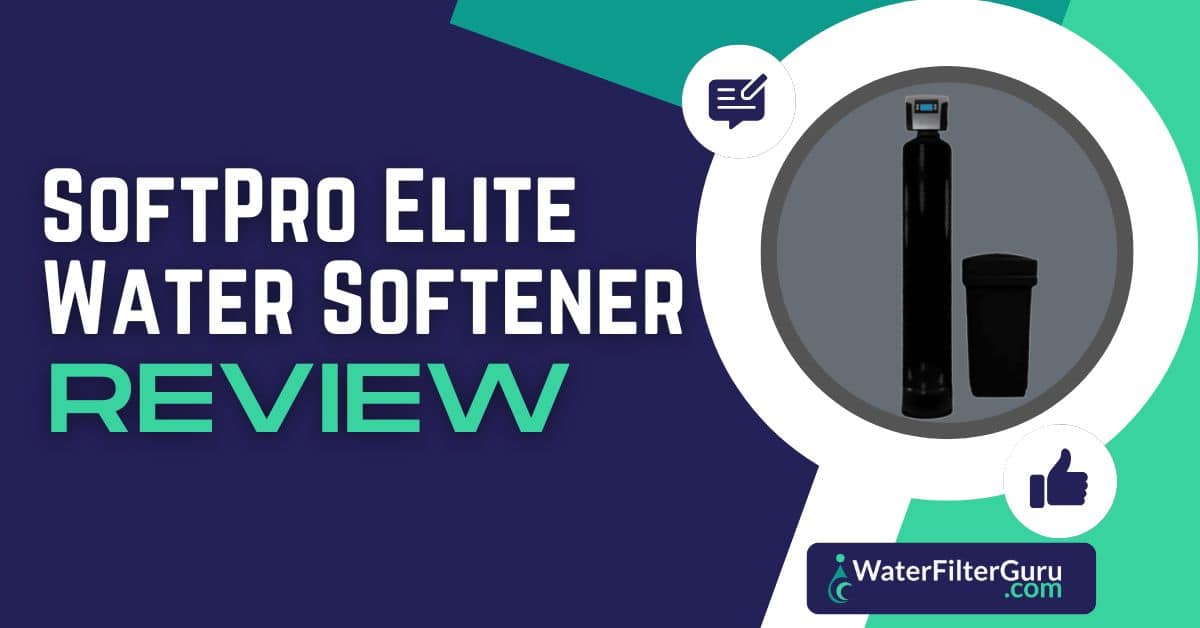
High-efficiency upflow design · demand regeneration · good for high-iron well water
Check Price →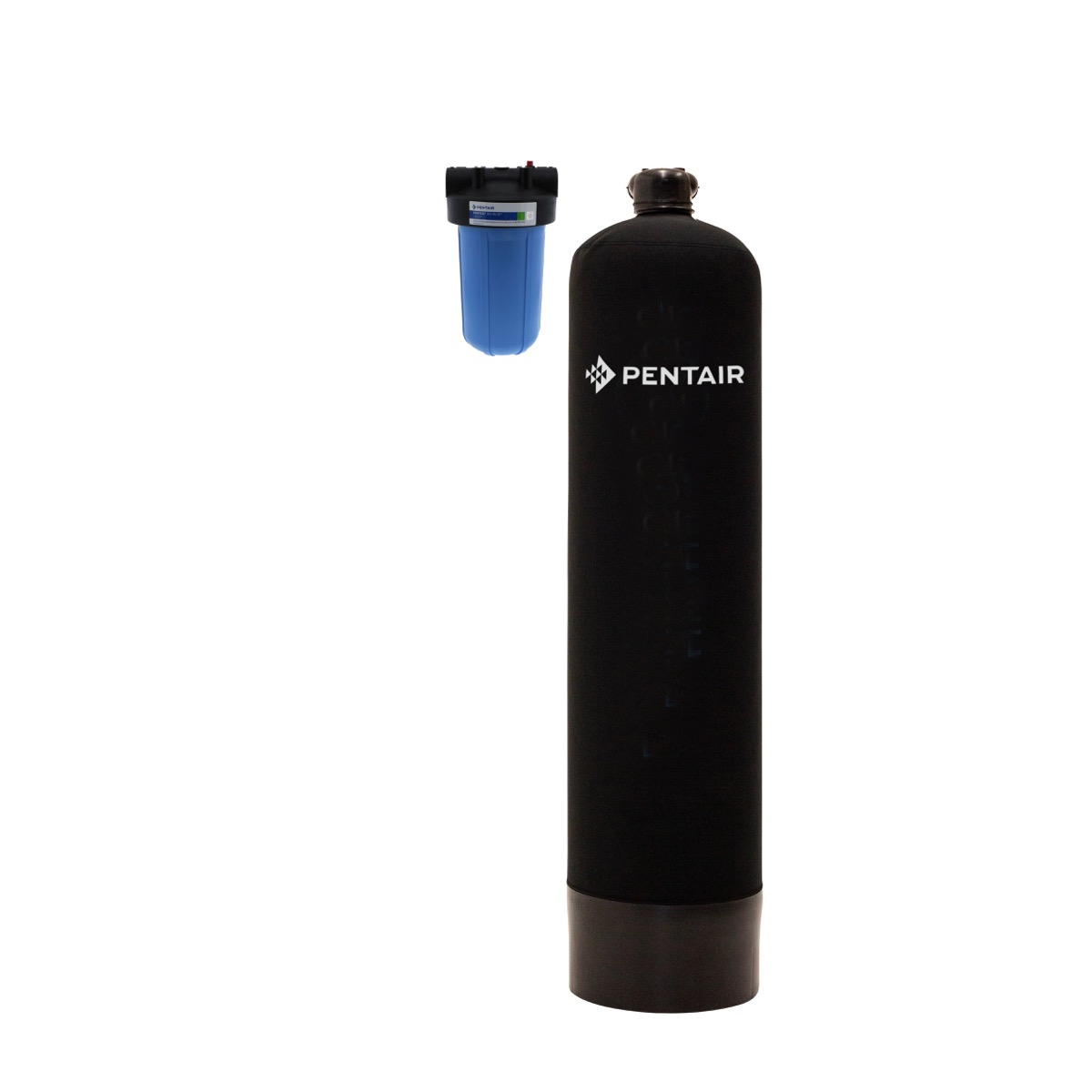
Salt-free · NSF certified 99.6% scale prevention · zero maintenance · city water under 25 GPG
Check Price →What to Look For When Buying a Water Softener
1. Grain Capacity - Size It Right
The most common mistake is buying an undersized softener. Calculate your daily grain removal need: (people in household × 75 gallons/day × water hardness in GPG). Then size the system for 7–10 days between regenerations. See our full sizing calculator for exact numbers.
2. Resin Quality
8% crosslink resin is the standard. 10% crosslink resin (SpringWell, some premium brands) lasts longer and handles chlorinated water better - worth the premium for city water users.
3. Control Valve
Demand-initiated regeneration (DIR) conserves salt and water by only regenerating based on actual water use. Look for this feature in any system above $800.
4. Flow Rate
Match your system's GPM rating to your home's peak demand. A 3-bathroom home typically needs 10–12 GPM minimum. Under-rated systems cause pressure drops during peak usage.
5. Warranty
The best systems offer lifetime warranties on tanks and control valves. Budget systems often carry only 1–3 year warranties. Factor the total cost of ownership, not just purchase price.
Not Sure Which Filter You Need?
nTell us your water problems and we will match you with the right solution in 30 seconds.
n Try the Water Filter MatchernFrequently Asked Questions
How do I know if I need a water softener?
Signs you need a water softener include: scale buildup on fixtures and appliances, soap that doesn't lather well, stiff or scratchy laundry, spots on dishes after washing, and shortened water heater/dishwasher lifespan. You can confirm with a water hardness test kit ($8–$15 on Amazon) or by contacting your local water utility for annual water quality report. Anything above 7 GPG is considered hard; above 25 GPG is very hard and definitely warrants a softener.
What's the difference between a water softener and a water filter?
A water softener uses ion exchange to remove calcium and magnesium ions (the minerals that cause hardness), replacing them with sodium ions. It doesn't filter contaminants like chlorine, lead, or PFAS. A water filter physically or chemically removes contaminants but doesn't address hardness. Many homeowners benefit from both - a softener protects appliances and pipes, while a filter improves taste and removes health concerns. The Aquasana Rhino combines both in one system.
How much does a water softener cost to run?
The ongoing costs are: salt ($5–$25/bag, one bag per month for average household), minimal electricity (about $3–$8/month), and water for regeneration cycles (50–100 gallons per regeneration, 1–2x per week). Total annual operating cost typically runs $100–$400 depending on your water hardness and household size. High-efficiency systems like the Culligan Smart HE can reduce salt consumption by up to 29%.
Can I install a water softener myself?
Yes - most whole-house softeners are DIY-friendly if you have basic plumbing skills and can solder copper pipe or use SharkBite fittings. SpringWell and Fleck systems come with detailed instructions and video guides. The main requirements are: accessible cold water main, drain line within 30 feet, electrical outlet, and space for the unit. If you're not comfortable cutting into your main water line, hiring a plumber for 2–3 hours ($200–$400) is a reasonable investment. See our complete installation guide.
Salt-based vs. salt-free - which is better?
Salt-based softeners physically remove hardness minerals via ion exchange and produce genuinely soft water (the slippery feel, no scale, excellent lathering). They're the right choice for water above 15 GPG or with iron issues. Salt-free conditioners change the form of calcium/magnesium so it doesn't scale, but don't actually remove the minerals. They're lower maintenance and suitable for water under 25 GPG where you primarily want scale prevention. Read our full salt-based vs. salt-free comparison for the detailed breakdown.
How long does a water softener last?
With proper maintenance, a quality water softener will last 15–25 years. The control valve and resin are the most common wear components. Resin typically needs replacement after 10–15 years ($50–$150 in parts). Choosing a system with a strong warranty (lifetime on tanks and valves, like SpringWell) significantly reduces long-term ownership risk.
Why Trust WaterFilterGeek?
We built this site because we were frustrated by water softener reviews that read like ads. Our approach: research every spec, read every verified review, consult licensed plumbers, and call out problems honestly. The rankings you see are based on data - not who paid us the most.