Salt-Based vs. Salt-Free Water Softeners: Complete 2026 Guide
Affiliate Disclosure: This guide contains affiliate links. We may earn a commission at no extra cost to you.
Choose salt-based if: water above 15 GPG, well water, iron present, or you want the true soft water feel
Best pick: SpringWell SS - from $1,549
Choose salt-free if: city water under 25 GPG, you want no maintenance, or sodium in water is a concern
Best pick: Aquasana Rhino + Conditioner - from $1,899
The Core Difference
This is the most misunderstood topic in the water treatment industry. Many companies market salt-free systems as "water softeners" when they're technically water conditioners. Here's the honest breakdown:
| Feature | Salt-Based Softener | Salt-Free Conditioner |
|---|---|---|
| How it works | Ion exchange - removes Ca/Mg, replaces with Na | Template Assisted Crystallization (TAC) - converts minerals to crystals |
| Removes hardness minerals | ✓ Yes - physically removed | ✗ No - minerals stay, just don't scale |
| "Slippery" soft water feel | ✓ Yes | ✗ No |
| Scale prevention | ✓ Excellent | ✓ Good (up to 25 GPG) |
| Works above 25 GPG | ✓ Yes (up to 81 GPG) | ⚠ Less effective |
| Salt required | Yes (ongoing) | No |
| Waste water | Yes (brine discharge) | No |
| Electricity | Yes (control valve) | No |
| Sodium in water | Small amount added | None added |
| Minerals retained | No (removed) | Yes (beneficial minerals kept) |
| Iron removal | Up to 7 PPM (SpringWell) | No |
| Maintenance | Monthly salt, annual check | Filter replacement only |
Salt-Based Water Softeners: How They Work
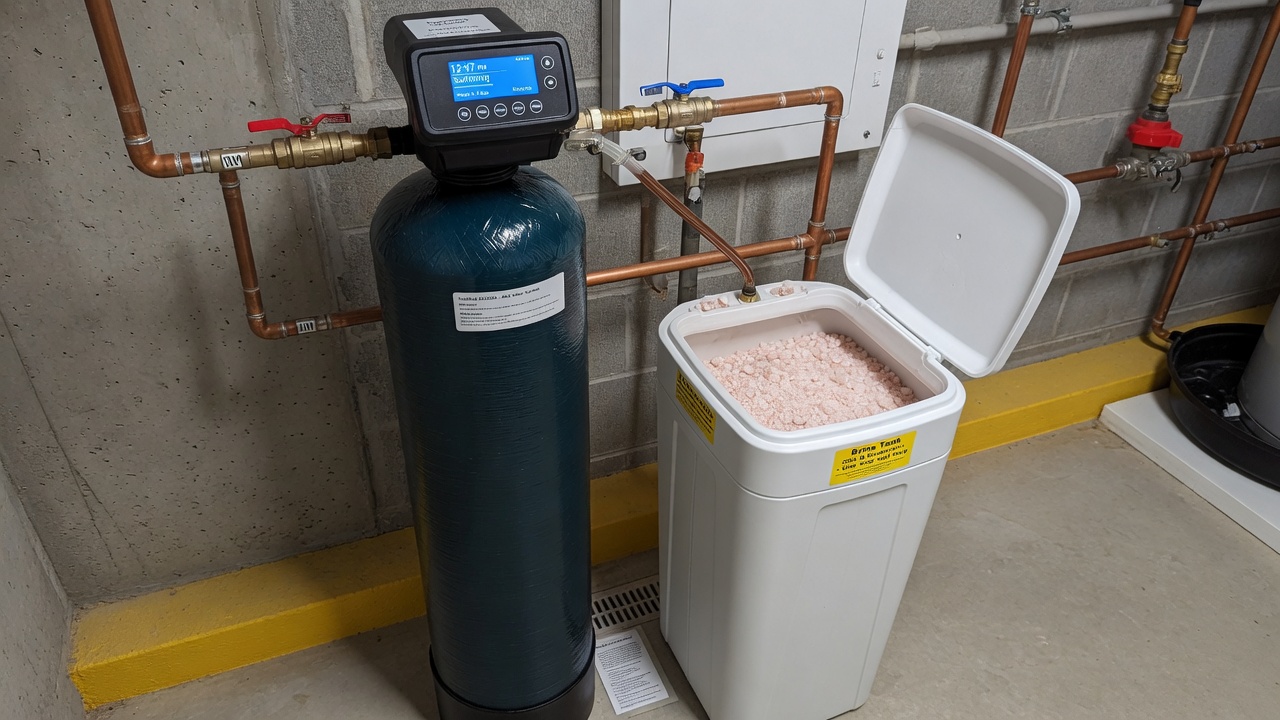
Salt-based softeners use ion exchange resin - thousands of tiny resin beads that carry a negative charge and attract positively-charged calcium and magnesium ions. As hard water flows through the resin tank, calcium and magnesium ions attach to the resin and are replaced by sodium ions.
The result is genuinely soft water: the slippery feeling you notice in the shower, soap that lathers easily, spotless dishes, longer appliance lifespans, and no scale buildup anywhere in your plumbing.
Periodically (typically every 7–10 days), the system regenerates by flushing the resin with a concentrated brine solution. This flushes the captured calcium and magnesium down the drain and recharges the resin with sodium ions, ready for the next cycle.
Salt-Based Pros
- Genuinely removes hardness minerals
- True "soft water" feel - slippery, luxurious shower experience
- Works at any hardness level (up to 81 GPG with SpringWell)
- Handles iron in well water
- Dramatically extends appliance lifespan
- Reduces soap/detergent consumption by 50–75%
Salt-Based Cons
- Ongoing salt cost ($10–$30/month)
- Brine discharge (environmental concern in some areas)
- Adds small amount of sodium to water
- Electricity required for control valve
- Removes beneficial calcium and magnesium
- Requires periodic maintenance (salt refill, resin check)
Salt-Free Water Conditioners: How They Work
Salt-free systems (also called water conditioners or descalers) don't remove minerals - they change the physical structure of dissolved minerals so they can't bond to surfaces and form scale. The most common technology is Template Assisted Crystallization (TAC), as described by the Water Quality Association, used by Aquasana, Pelican, and others.
In TAC, water passes over polymer beads with tiny cavities. These cavities act as templates, converting dissolved calcium bicarbonate into stable calcite crystals. These crystals flow through your pipes without adhering to surfaces. The result: scale prevention without softening.
Salt-Free Pros
- Zero salt, zero electricity, zero brine discharge
- Retains beneficial calcium and magnesium
- No sodium added to drinking water
- Very low maintenance
- Good scale prevention for moderate hardness
- Environmentally friendlier
Salt-Free Cons
- Not a true softener - no "slippery" feel
- Less effective above 25 GPG
- Can't handle iron
- Won't fix soap lathering issues
- Existing scale deposits won't be removed
- Effectiveness harder to verify without testing
Which One Should You Buy?
What About a Sodium-Free Diet?
The sodium added by a salt-based softener is minimal: a glass of softened water from 20 GPG hardness contains about 12 mg of sodium - the same as a small slice of bread. Unless you're on a very strict medically-supervised low-sodium diet, this is not a meaningful concern. Still worried? Install a reverse osmosis system at the kitchen tap (separate from the whole-house softener) for drinking and cooking water - RO removes sodium along with everything else.
Maintenance Requirements: Salt-Based vs Salt-Free Side by Side
Maintenance is where the two technologies diverge most clearly in day-to-day ownership. Understanding what each system requires before you buy prevents surprises down the road.
Salt-Based Softener Maintenance
Salt refill (monthly or bi-monthly): A typical family of 4 with moderately hard water uses 40-80 pounds of salt per month. At $6-$10 per 40-pound bag, that is $12-$30 per month in salt costs. Most homeowners check the brine tank monthly and top it up as needed. The brine tank should be inspected annually for salt bridges (a crust that forms across the top of the salt and prevents proper dissolution) -- break up any bridges with a broom handle if found.
Resin bed (every 5-10 years): The ion exchange resin degrades over time, especially in areas with heavy chlorine or iron exposure. A resin replacement costs $100-$200 in materials, and many homeowners do it themselves. High-quality resin (10% crosslink, as used by SpringWell) lasts longer than standard 8% crosslink resin.
Control valve (annual inspection): Check the metered valve setting annually to ensure it's calibrated to your current household size and water usage. Most modern softeners do this automatically, but manual systems need periodic adjustment.
Salt-Free Conditioner Maintenance
Pre-filter (every 3-6 months): Most salt-free systems include a sediment pre-filter that needs periodic replacement. Cost is typically $10-$25 per filter. Without regular pre-filter changes, the conditioning media downstream can become fouled with sediment, reducing effectiveness.
TAC media (every 3-5 years): The template-assisted crystallization beads do not regenerate -- they eventually wear out and need replacement. Most manufacturers rate their media at 3-5 years. Replacement media costs $100-$300 depending on system size.
Annual inspection: Check all connections for leaks, verify flow rate has not dropped significantly, and inspect the media chamber if accessible.
Bottom line: Salt-based systems require more frequent attention (monthly salt checks) but the individual maintenance tasks are simple. Salt-free systems require less frequent attention but the eventual media replacement is a more involved task. Neither is burdensome, but salt-based systems will take up more of your mental bandwidth over time.
Our Top Picks by Category
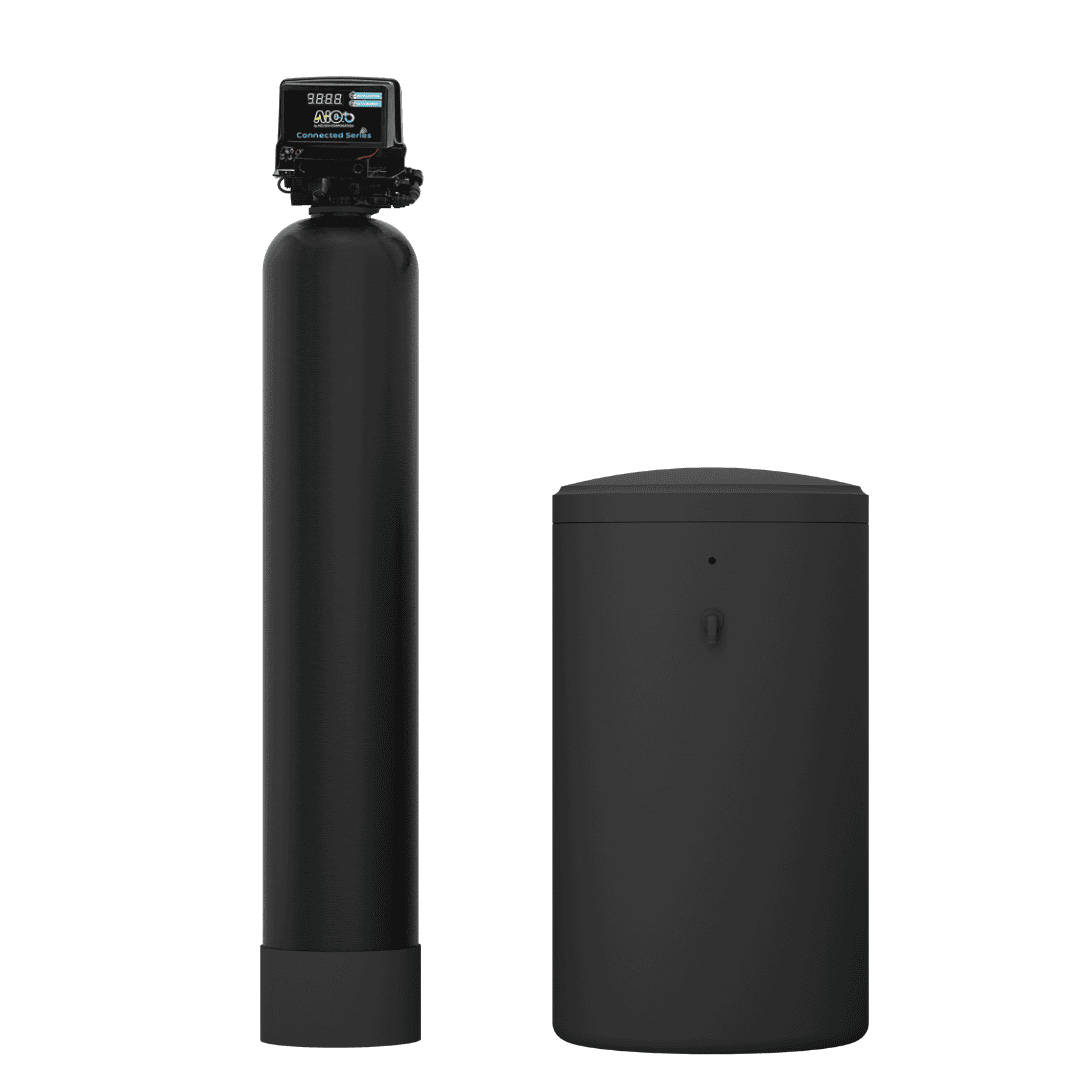
Lifetime warranty · 10% crosslink resin · 11–20 GPM · handles iron up to 7 PPM · 6-month guarantee
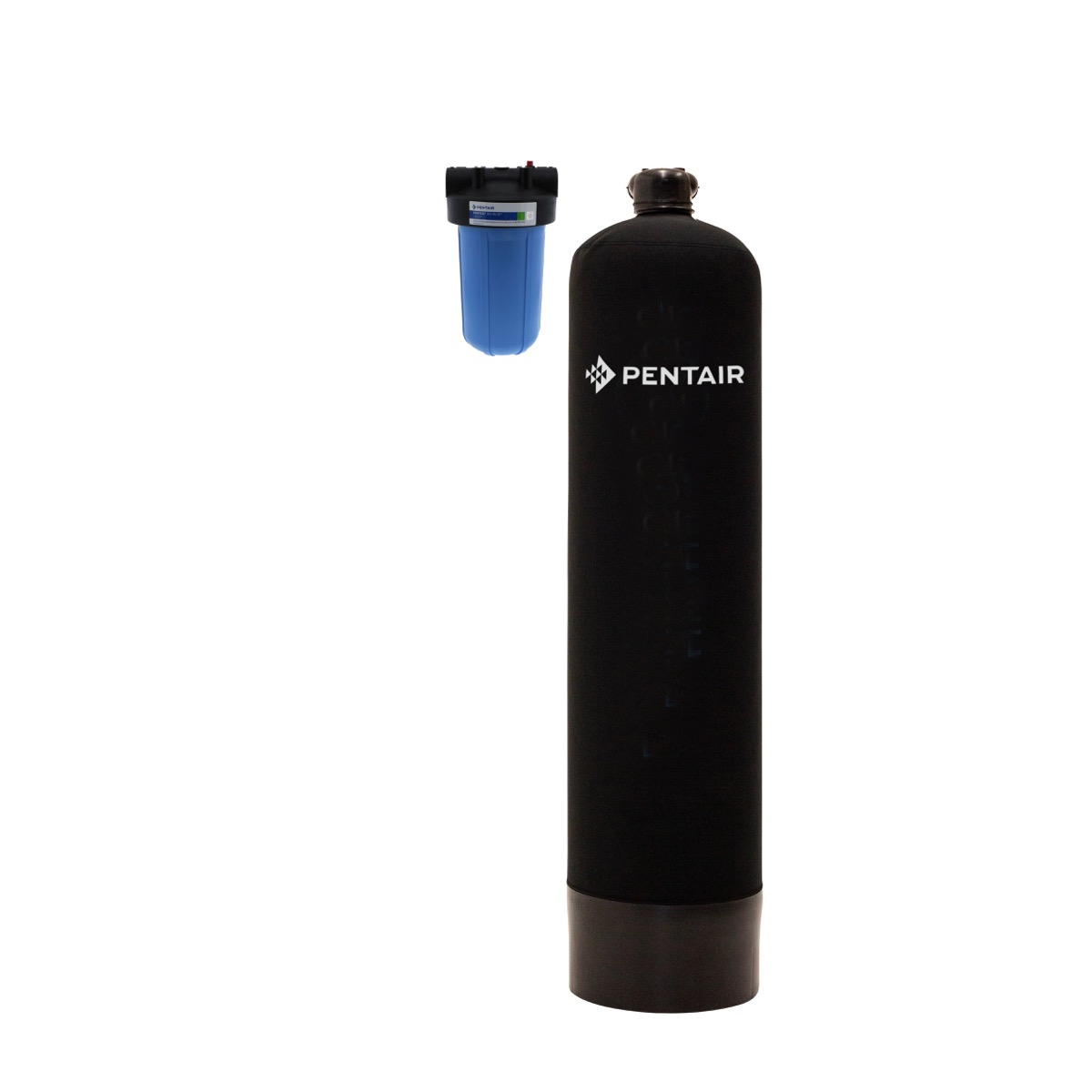
NSF certified · 99.6% scale prevention · no salt, no electricity · maintenance-free · Aquasana Rhino 1M-gallon filter life
How to Know Which Type You Actually Need: Test First
The single most important step before buying any water treatment system is testing your water. The choice between salt-based and salt-free is not a matter of preference -- it is a matter of what your water actually contains. Buying without testing is guessing, and the wrong guess can mean $1,500-$3,000 spent on a system that does not solve your problem.
How to Test Your Water Hardness
DIY test strips ($10-$30): Available at hardware stores and Amazon. Dip in tap water, compare color to chart. Gives a rough reading in GPG (grains per gallon) or mg/L. Accurate enough to make the salt vs. salt-free decision for most homeowners.
Municipal water report (free): Your water utility publishes an annual water quality report (Consumer Confidence Report). Download it from their website or call and request one. It will list hardness, chlorine levels, and any detected contaminants. This is the most accurate source for city water users.
Lab water test ($30-$150): Mail-in kits from companies like Tap Score or National Testing Labs provide comprehensive analysis -- hardness, iron, pH, bacteria, heavy metals, and specific contaminants. Worth it if you are on well water or have concerns about specific contaminants beyond hardness.
Interpreting Hardness Results
| Hardness Level | GPG | mg/L (ppm) | Recommended System |
|---|---|---|---|
| Soft | 0-3 | 0-51 | No treatment needed |
| Moderately Hard | 3-7 | 51-120 | Salt-free conditioner works well |
| Hard | 7-15 | 120-256 | Salt-free or salt-based -- both effective |
| Very Hard | 15-25 | 256-428 | Salt-based strongly recommended |
| Extremely Hard | 25+ | 428+ | Salt-based only -- salt-free ineffective |
10-Year Cost Comparison: Salt-Based vs Salt-Free
The upfront price difference between salt-based and salt-free systems is narrower than many buyers expect. The bigger difference is in ongoing operating costs.
| Cost Item | Salt-Based (SpringWell SS) | Salt-Free (Aquasana Rhino) |
|---|---|---|
| Equipment | $1,549-$2,379 | $1,199-$1,899 |
| Installation (if professional) | $300-$600 | $300-$600 |
| Annual salt cost | $100-$300/year | $0 |
| Annual filter replacement | $0-$50/year (resin check) | $80-$150/year |
| 10-Year Total (mid estimate) | $3,900-$5,400 | $2,700-$4,000 |
Salt-free systems have a slight long-term cost advantage when compared head-to-head -- primarily because there is no ongoing salt expense. However, this comparison only holds if a salt-free system actually solves your problem. If you have 20+ GPG hardness and buy a salt-free conditioner, you will still have scale damage in your appliances, which negates any cost savings. The cheapest system is the one that works for your specific water chemistry.
Environmental Considerations
Brine discharge from salt-based softeners is a real environmental concern, particularly in drought-prone regions. Some California counties have banned or restricted residential water softeners due to the impact on wastewater treatment facilities and agricultural irrigation water. If you are in a water-stressed region, check local regulations before purchasing a salt-based system.
Salt-free systems produce no brine discharge and use no electricity. From a pure environmental impact standpoint, they are the better choice. The caveat, again, is whether they actually solve your problem. A salt-free system that cannot handle your hardness level and leads to early appliance failure has its own environmental cost in manufacturing and disposal.
For environmentally-conscious buyers in moderate-hardness areas, salt-free is the clear choice. For high-hardness areas where only salt-based systems work, the environmental trade-off is worth considering but is unlikely to change the decision.
FAQ
Are salt-free softeners as good as salt-based ones?
For scale prevention at moderate hardness levels (under 25 GPG), salt-free conditioners perform well. But they are not equivalent to salt-based softeners in terms of actually removing hardness minerals. You won't get the "soft water" feel, soap will still not lather as freely, and at high hardness levels (>25 GPG) their scale prevention becomes less reliable.
Is softened water safe to drink?
Yes, for most people. Salt-based softeners add a small amount of sodium to water (approximately 12 mg per 8oz glass for 20 GPG hardness). For individuals on medically-supervised very low sodium diets (<500 mg/day), a bypass valve or separate RO system for kitchen water is recommended. For everyone else, softened water is completely safe.
Can I use a salt-free system with well water?
Generally not recommended. Well water often contains iron, manganese, and hydrogen sulfide in addition to hardness. Salt-free conditioners cannot handle iron and can become fouled by it. For well water, a salt-based softener (with optional iron filter upstream) is the right solution.
Do salt-free systems remove existing scale buildup?
No. Salt-free conditioners prevent new scale from forming, but they do not dissolve or remove existing limescale deposits in your pipes, water heater, or appliances. If you have years of scale buildup, you may need to descale those systems separately (citric acid flush, professional service) before installing a conditioner. Salt-based softeners also do not remove existing scale, but the softened water that flows through your pipes over time can slowly dissolve existing deposits.
Can I use potassium chloride instead of sodium chloride in a salt-based softener?
Yes. Potassium chloride (KCl) works in any standard ion-exchange water softener. It adds potassium to water instead of sodium, which is preferred by homeowners on low-sodium diets, those with septic systems, or those in regions where sodium discharge is regulated. The downside is cost -- potassium chloride typically costs 2-3x more than sodium chloride per bag. Softener efficiency may also be slightly lower with potassium chloride, requiring slightly more product per regeneration cycle.
How do I know if my salt-free system is actually working?
This is one of the genuine challenges with salt-free systems. Unlike salt-based softeners where you can feel the difference in water texture, salt-free conditioners do not change how water feels. The way to verify performance is to check for scale reduction: compare fixture and appliance scale buildup 6-12 months after installation to what you had before. Some owners use test strips to check hardness -- the hardness level will be unchanged (salt-free does not remove minerals), but scale deposits should be reduced. If scale is still building at the same rate, the system is undersized or your hardness is too high for salt-free technology.